Business Intelligence (BI) and Analytics Software
Led the transformation of Jaspersoft’s UX into a data driven, AI powered experience that aligned business strategy with user needs, unlocking multimillion dollar growth.
What is Jaspersoft?
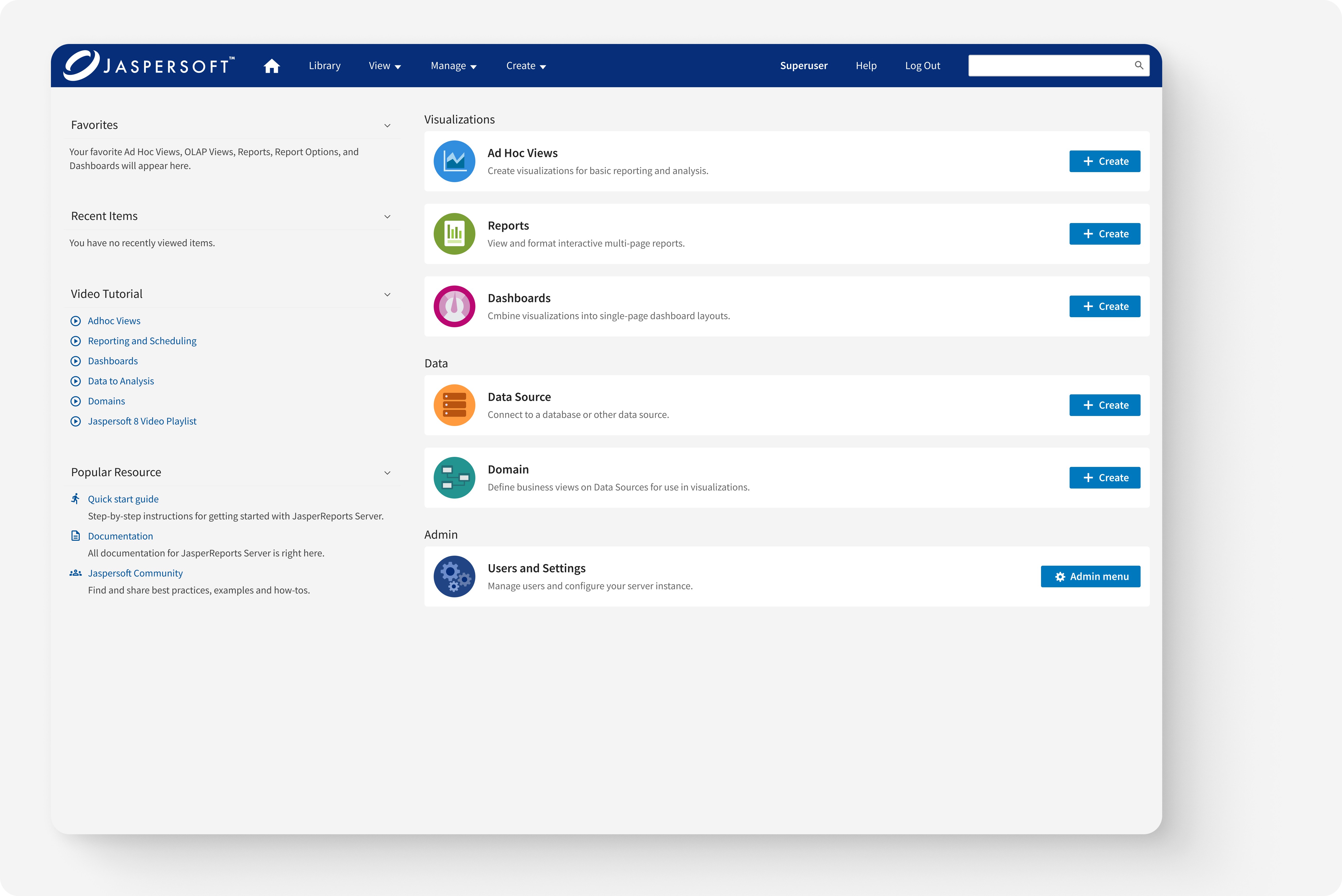
Jaspersoft is a business intelligence and reporting tool that helps companies turn their data into easy to understand reports, dashboards, and visual insights. It allows users to explore, analyze, and share data from different sources all in one place. In simple terms, it helps businesses make data driven decisions by transforming complex datasets into clear, visual, and actionable information.
Scope of work
Led the end-to-end design process for Jaspersoft’s AI/ML initiative from defining user and business requirements to designing and prototyping the core AI experience. Collaborated with product, engineering, and customer success teams to identify high value features, conduct competitive research, and define user AI interaction models. Delivered multiple design explorations and a working interactive prototype that demonstrated the product’s potential and guided future development phases.
Feature: Jaspersoft AI/ML
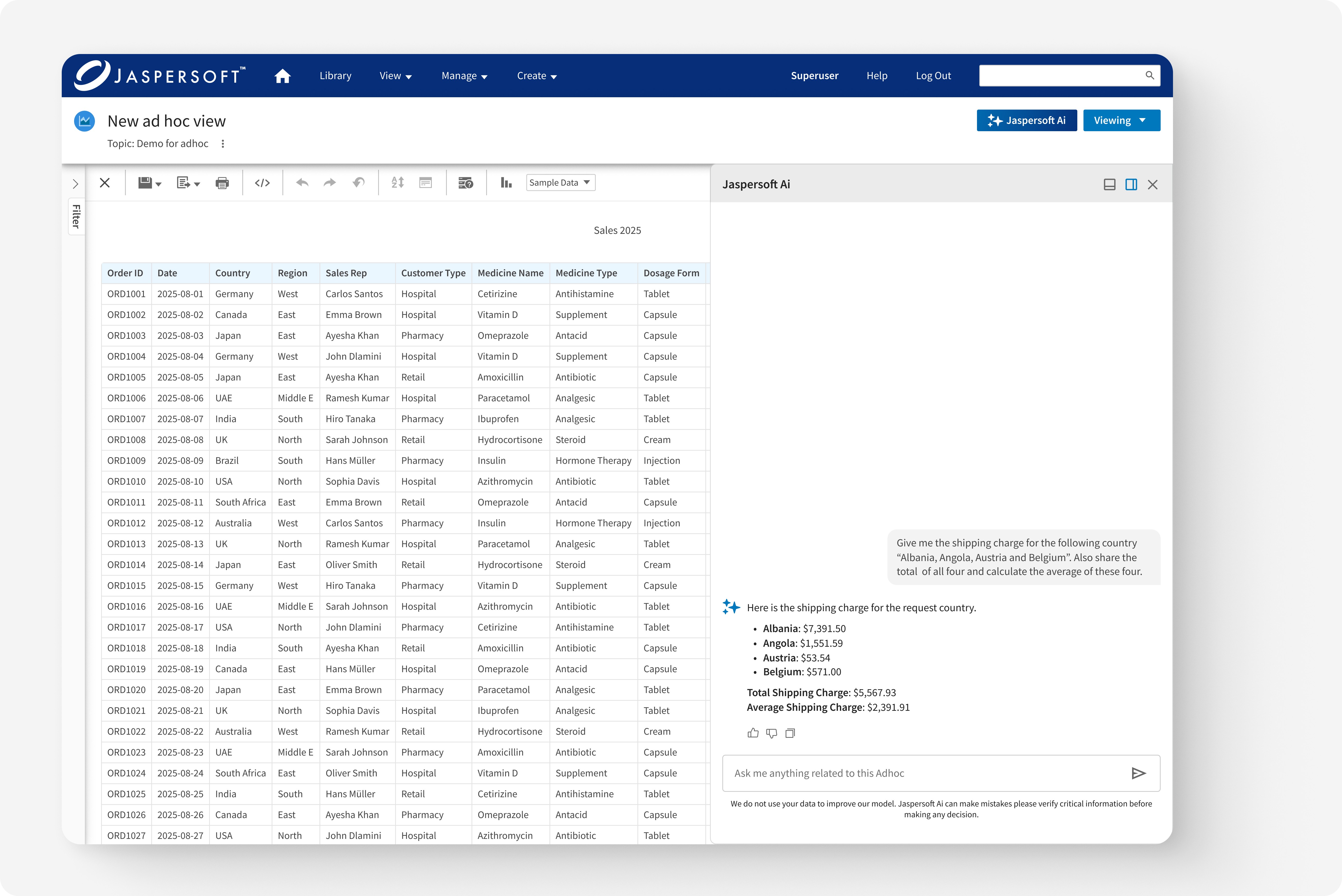
The AI/ML feature in Jaspersoft helps users interact with data more intelligently. Instead of manually setting up reports or running queries, users can simply ask questions in natural language and the system uses AI to analyze data, generate reports, and suggest insights automatically.
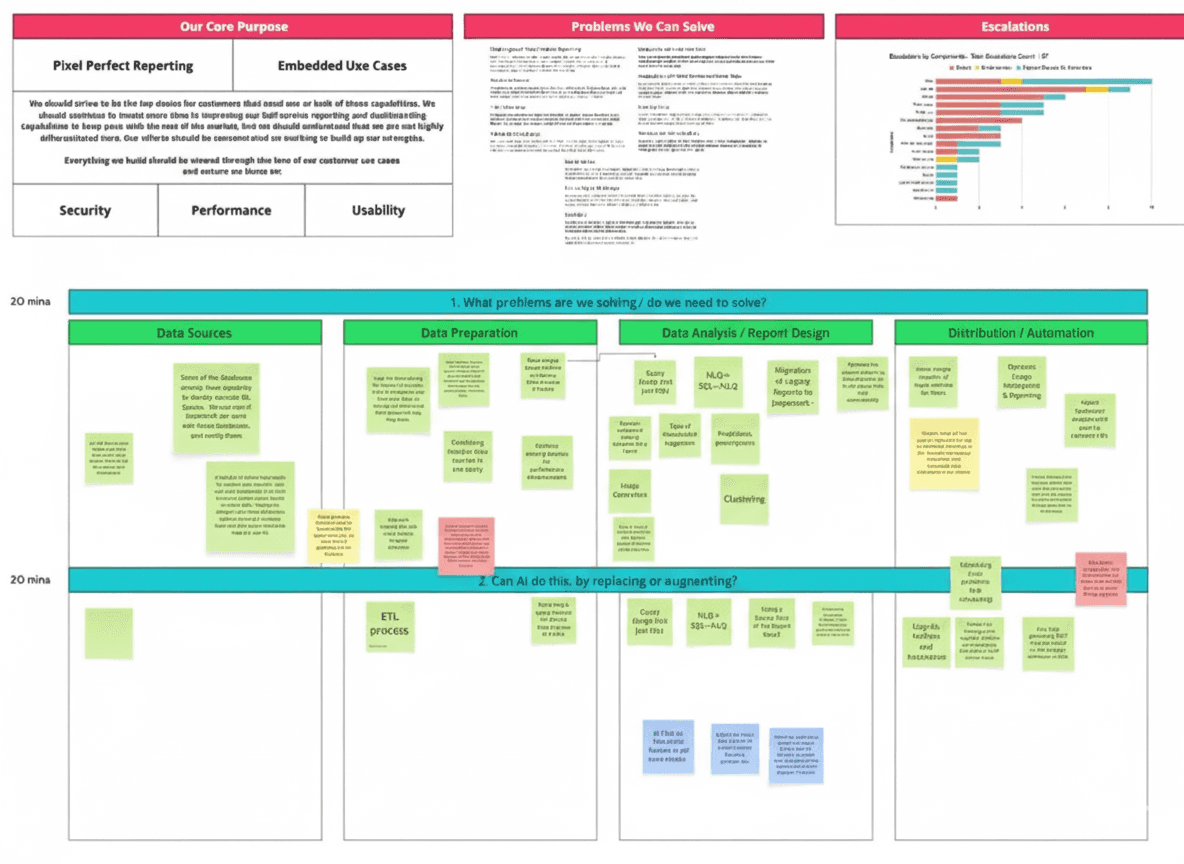
When we began working on Jaspersoft’s AI/ML initiative, the goal was simple to make data interaction more intuitive through intelligent automation. But turning that goal into a real product required collaboration, exploration, and a lot of iteration. We started by bringing together teams from Product, Tech, and Customer Success to understand what users truly needed and what was technically possible within our roadmap. These early conversations helped us align on feasibility, prioritize impact, and uncover where AI could genuinely add value to the Jaspersoft experience.
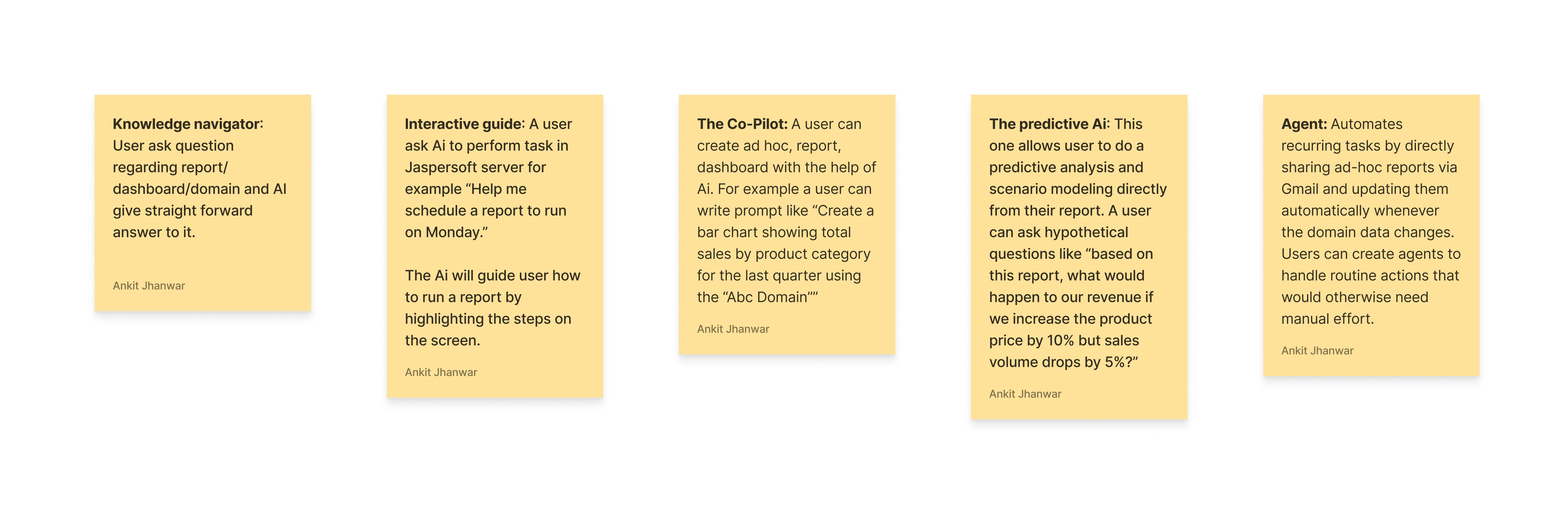
Once the scope was clear, I led a phase of research and exploration. We studied how other AI-driven analytics tools were approaching user interactions what worked, what didn’t, and what users expected when talking to data. To build on those insights, we ran collaborative workshops with stakeholders to brainstorm directions and narrow them down to a few high-impact ideas. From these sessions, we identified five strong concepts for Jaspersoft AI. Three were selected for immediate testing based on feasibility and user value, while the other two were reserved for later phases that required deeper technical integration.

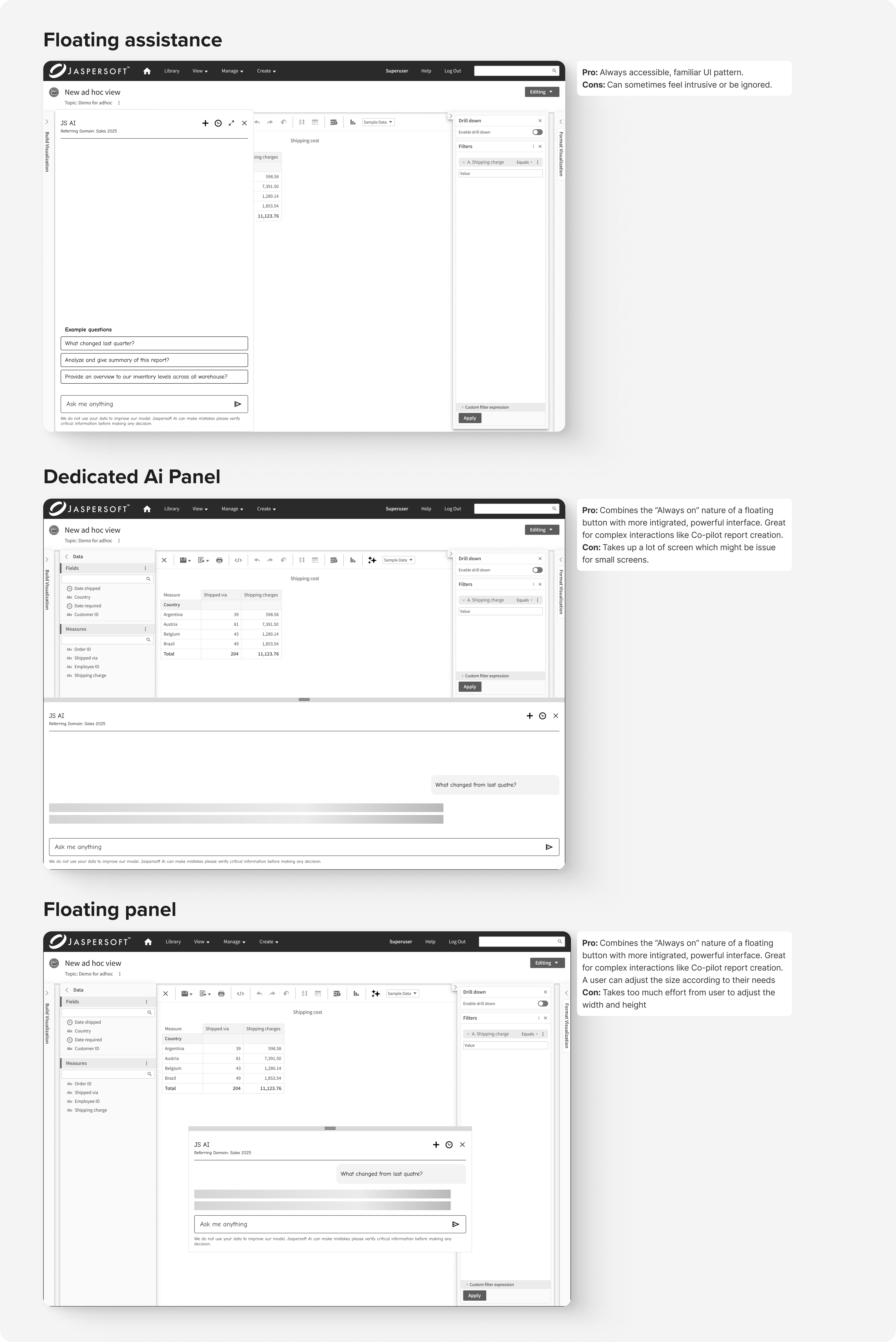
With our direction defined, I moved into design exploration. I created three distinct low-fidelity layout options, each with a different approach to interaction flow and information presentation. For every version, I outlined pros and cons, which made team discussions structured and decision-making smoother.
Design system
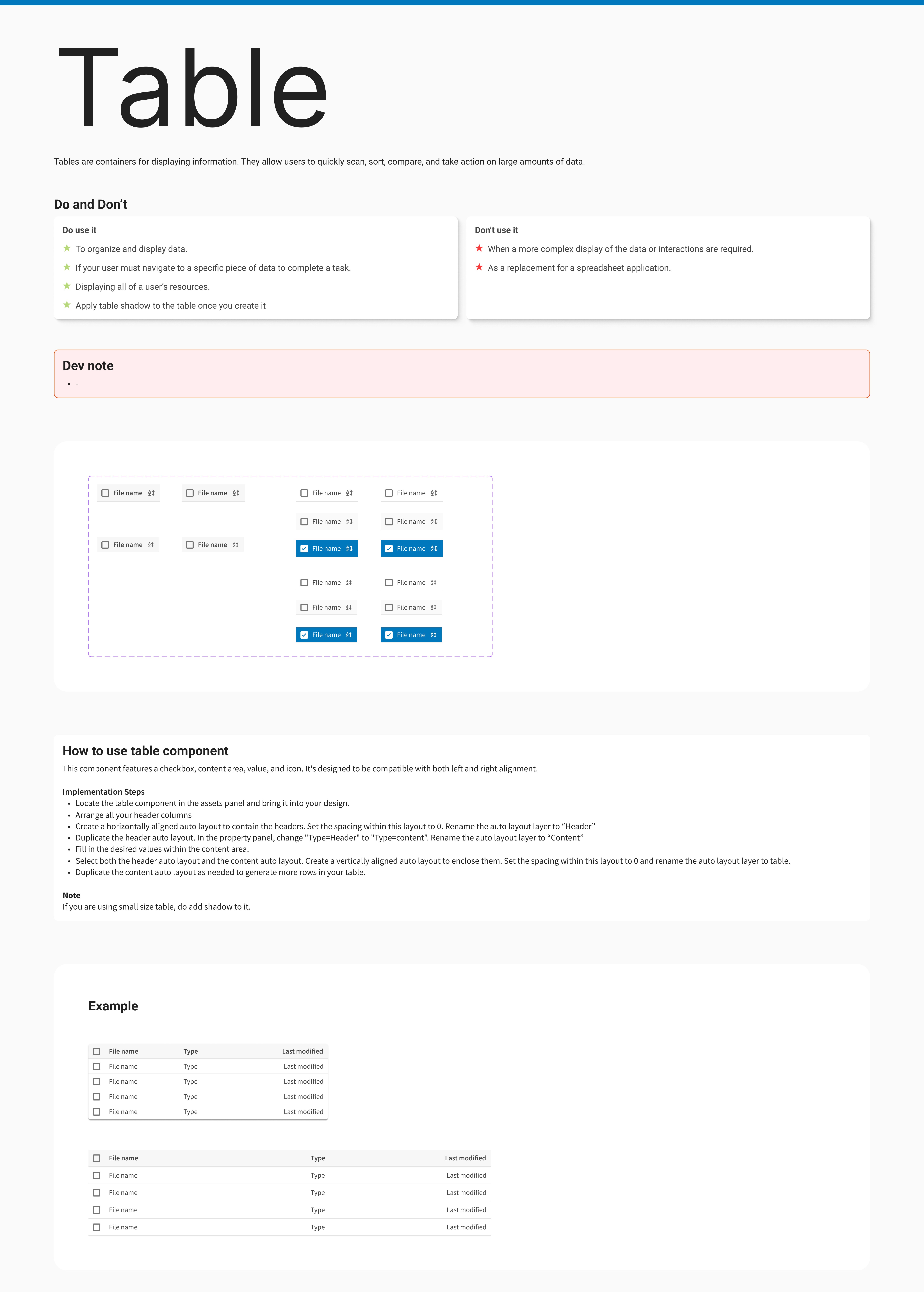
With the introduction of AI features, I collaborated with the tech team to add new components to the design system, ensuring consistency and scalability across future AI-driven experiences.
Final Design
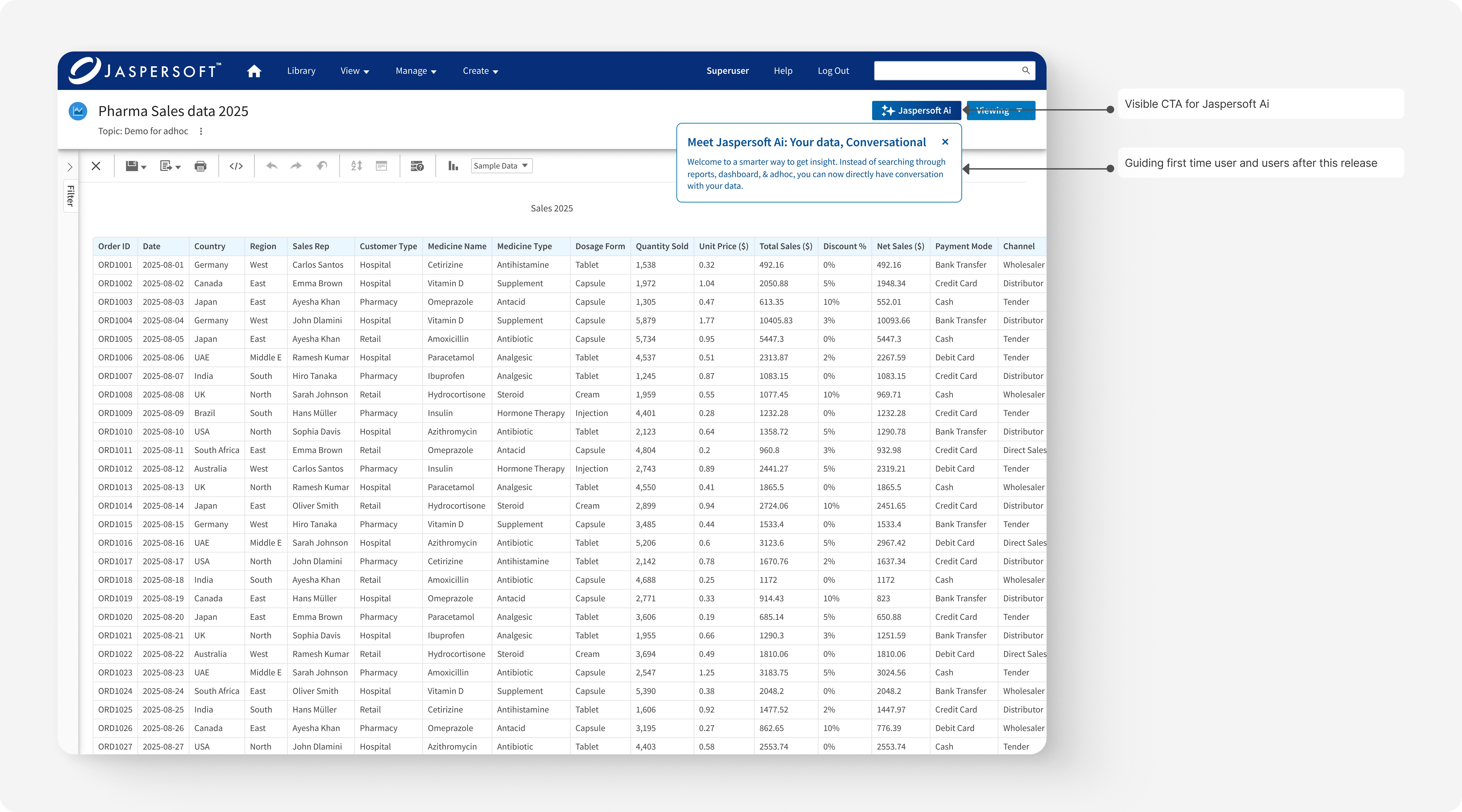
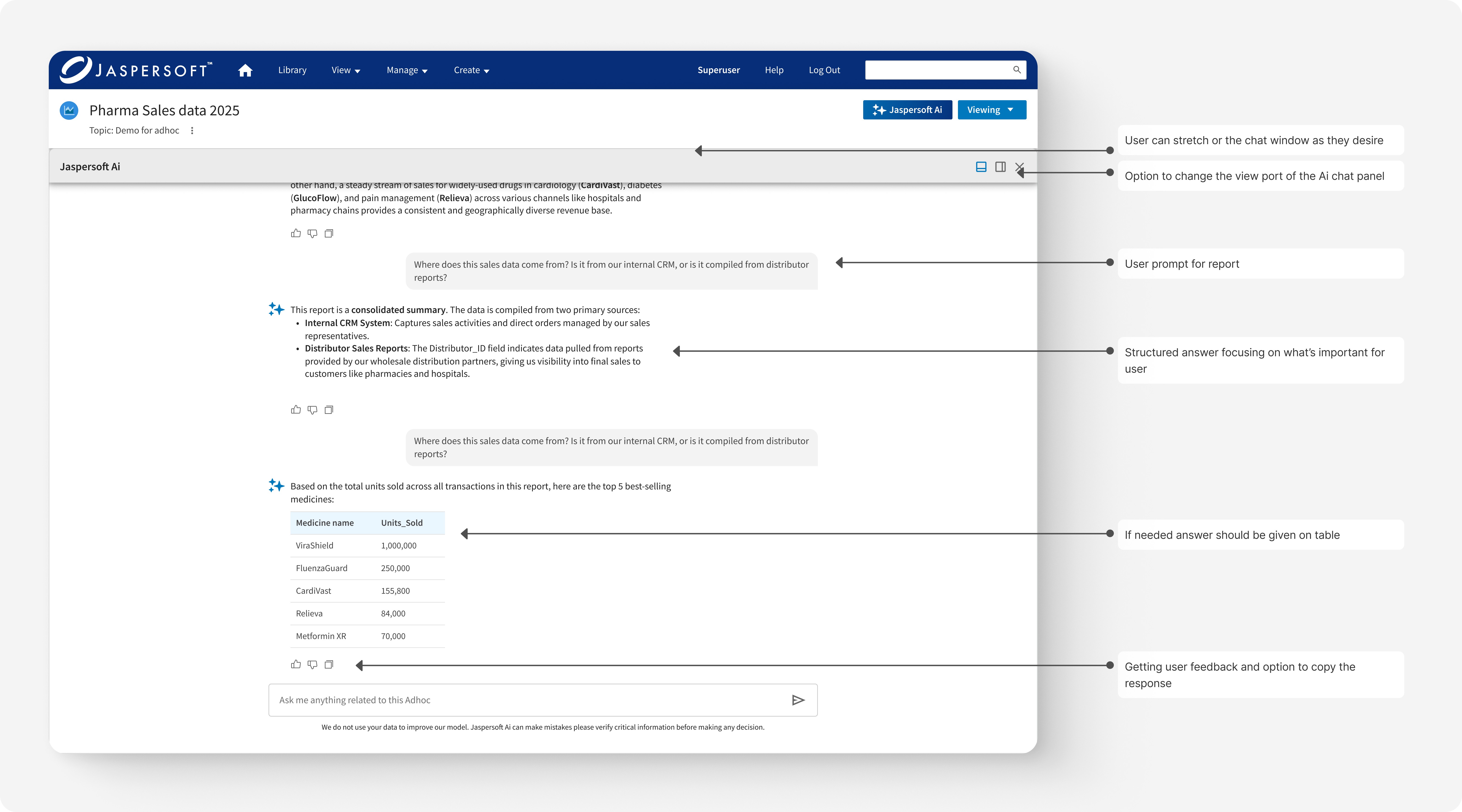
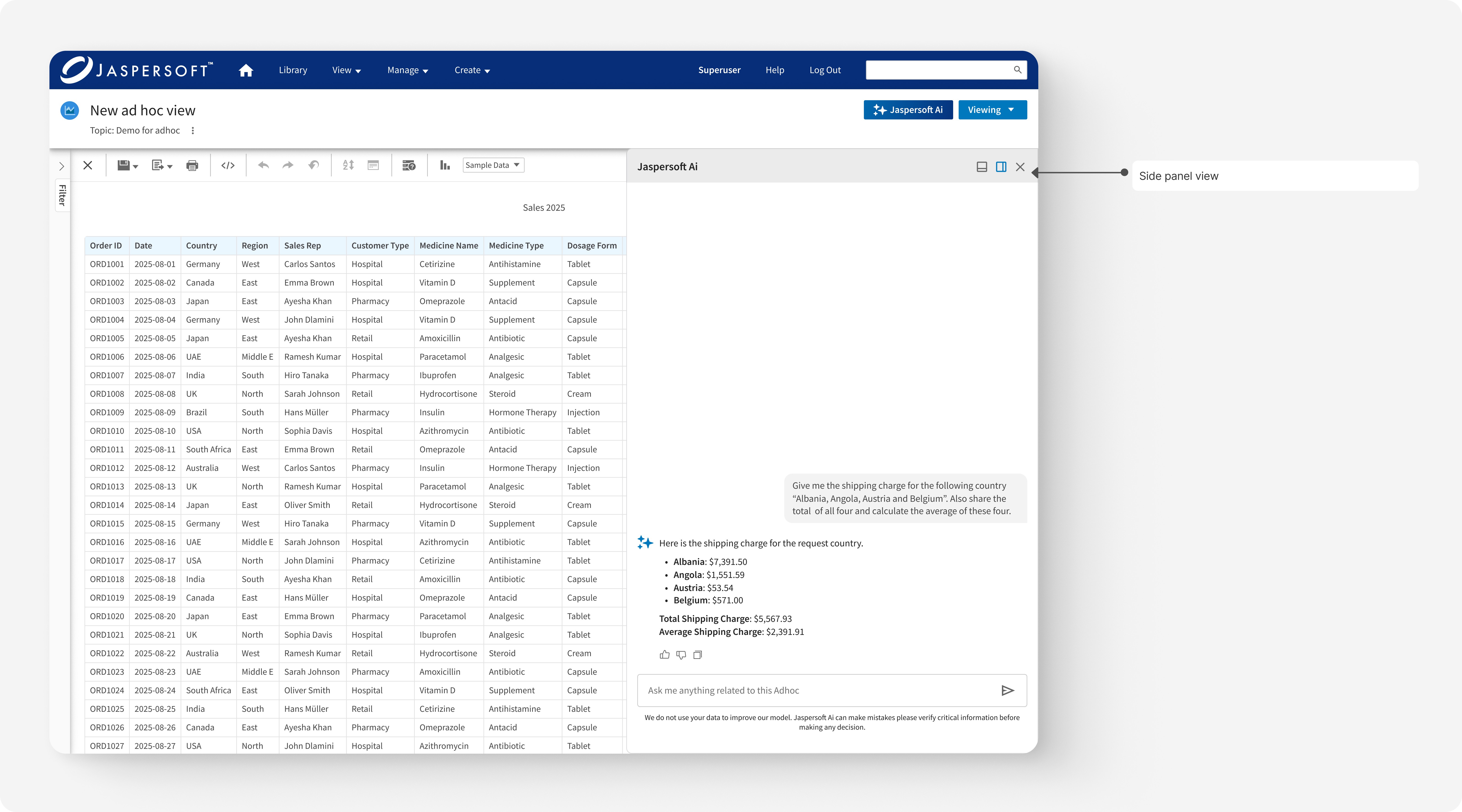
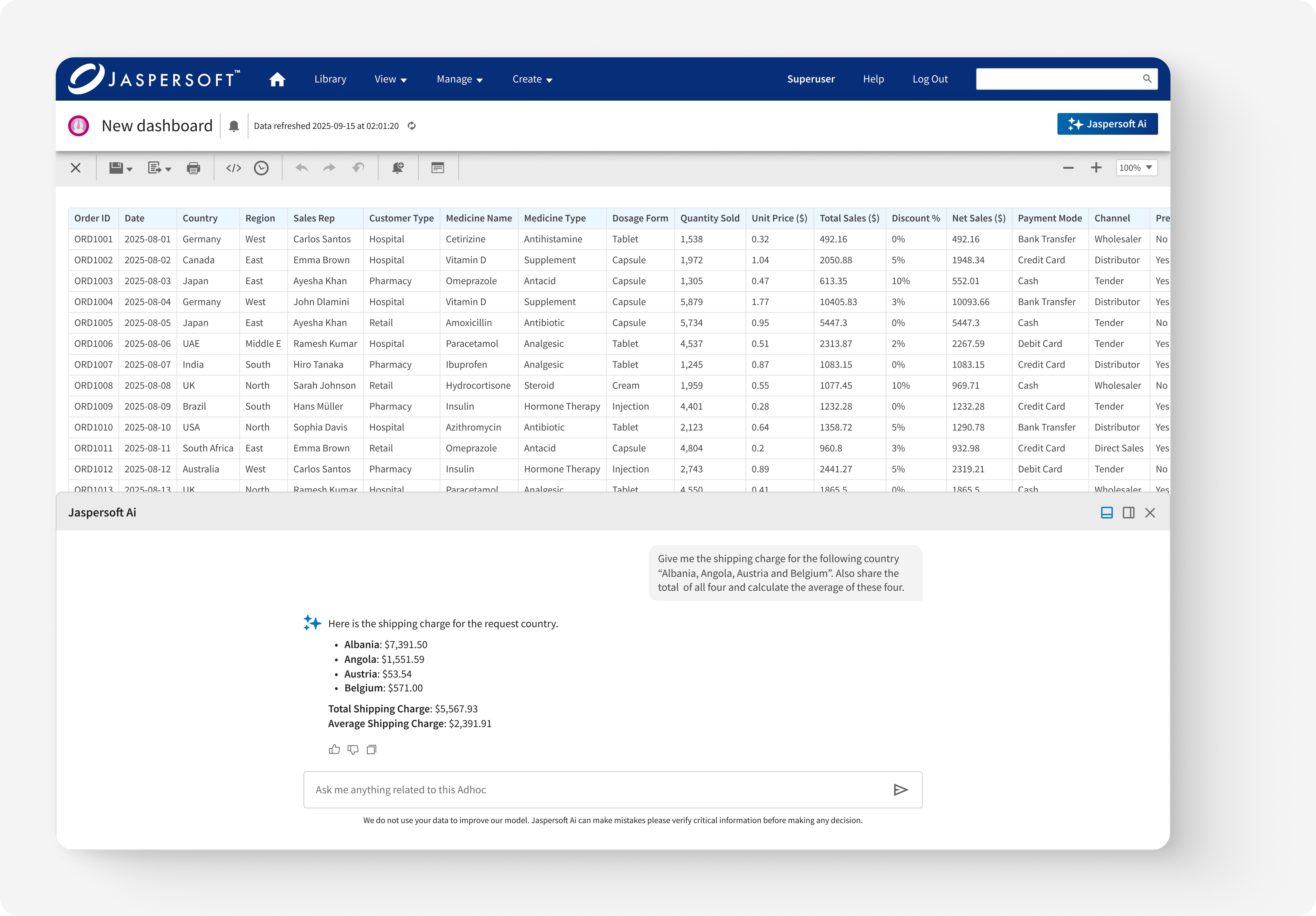
Once the team aligned on a final direction with dedicated Ai Panel, I built an interactive prototype in Figma Make complete with dummy data and AI behavior simulation. This gave everyone, from engineers to leadership, a tangible experience of how users would interact with the AI and how responses would appear in real time. The prototype not only helped align teams but also created excitement it was the first glimpse of how Jaspersoft could evolve into an AI-powered analytics platform that feels human, responsive, and intelligent.
Challenges
One of the biggest challenges we faced was defining how users should interact with AI inside a complex analytics product. Unlike traditional dashboards, AI brings unpredictability users might ask anything, in any way. Designing a flow that could handle open ended queries while still guiding users toward meaningful results required constant iteration between design, product, and engineering.
Impact
This was a highly requested feature from customers, and usability testing confirmed its value users loved the experience and expressed willingness to pay extra for it. Based on early feedback, the Customer Success team projected a $5–8 million increase in revenue if priced appropriately for enterprise customers.